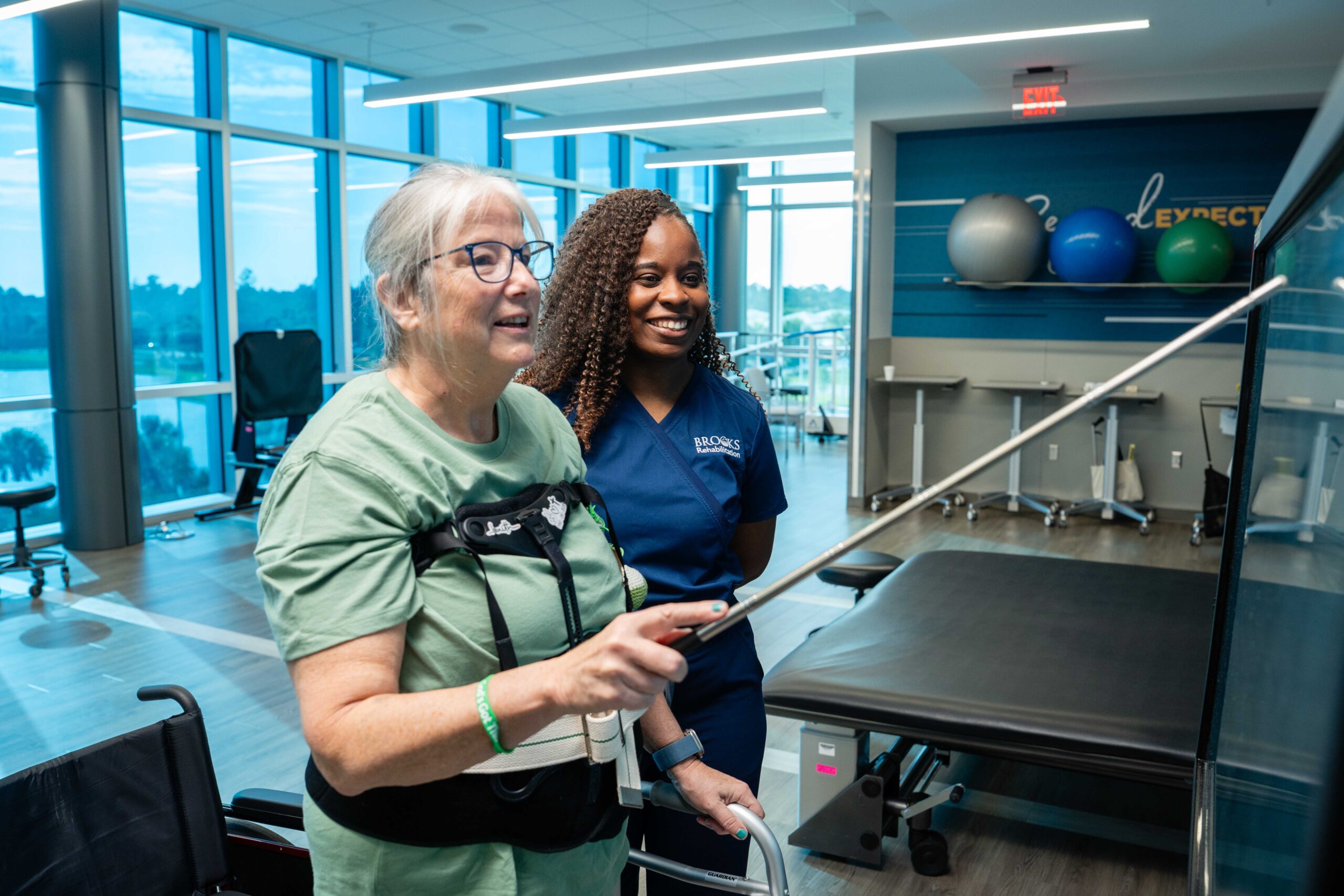
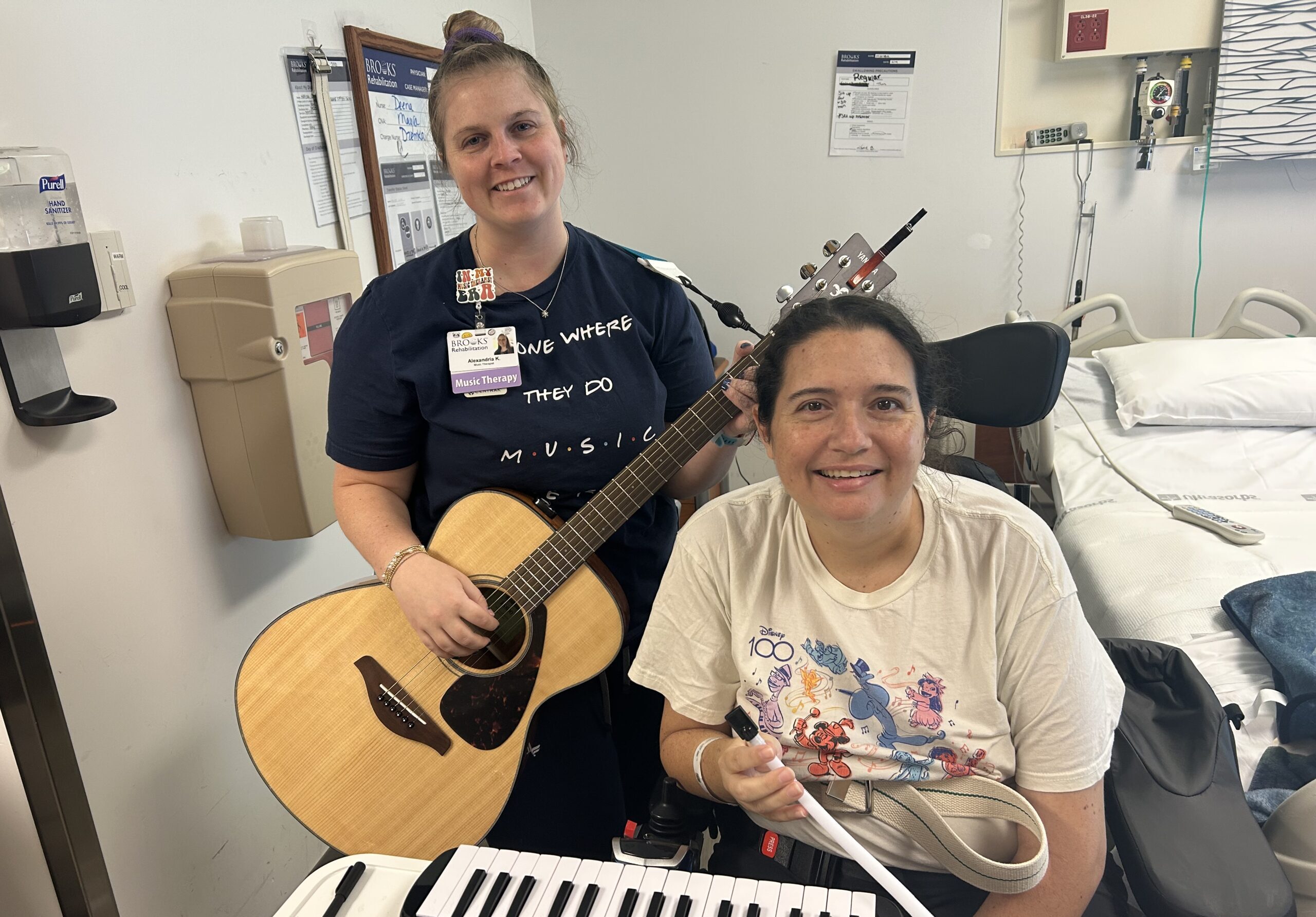
Treatment programs designed around you
World-class rehabilitation solutions and individualized recovery plans tailored to your unique needs. The healing you deserve starts here.
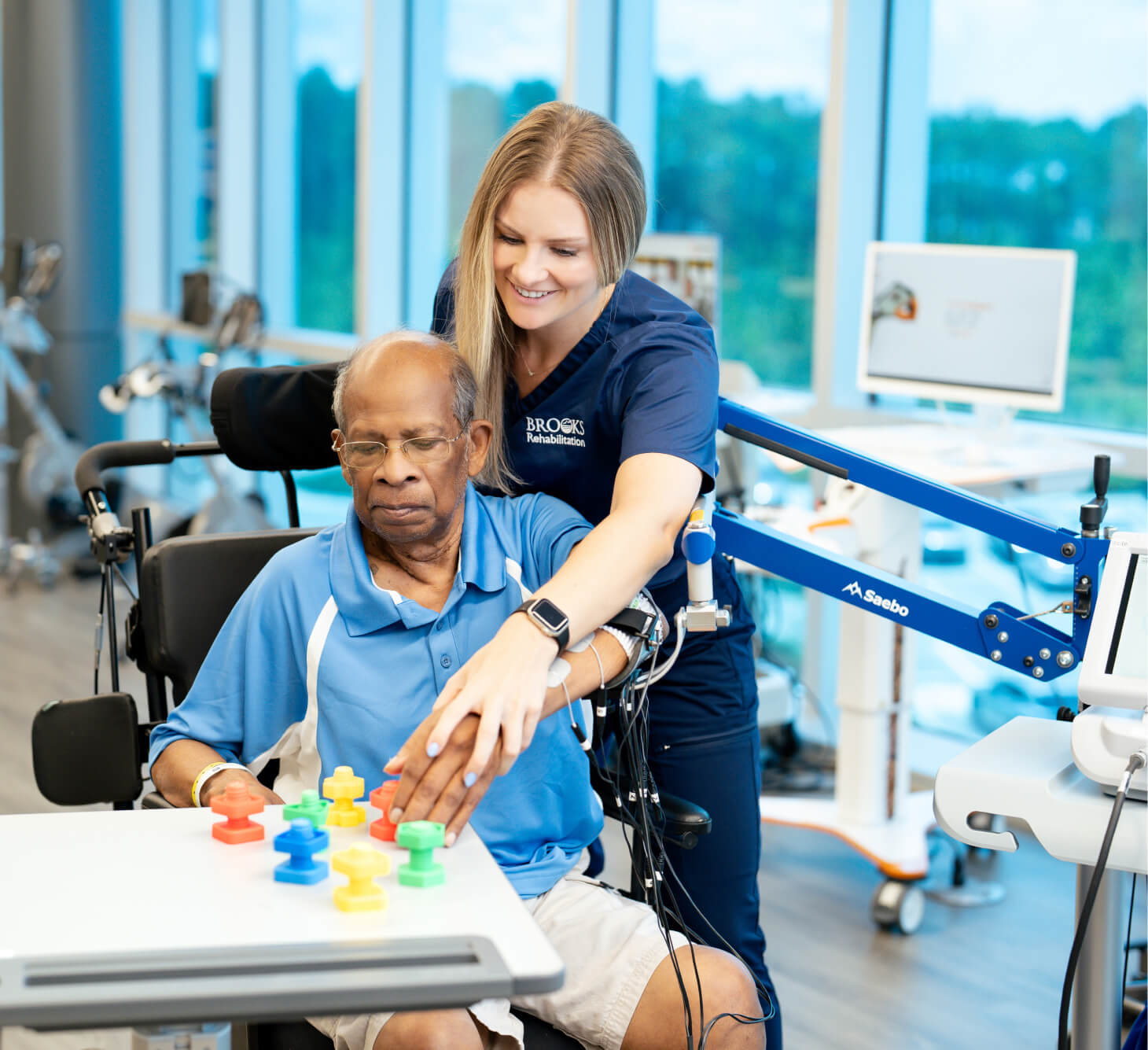
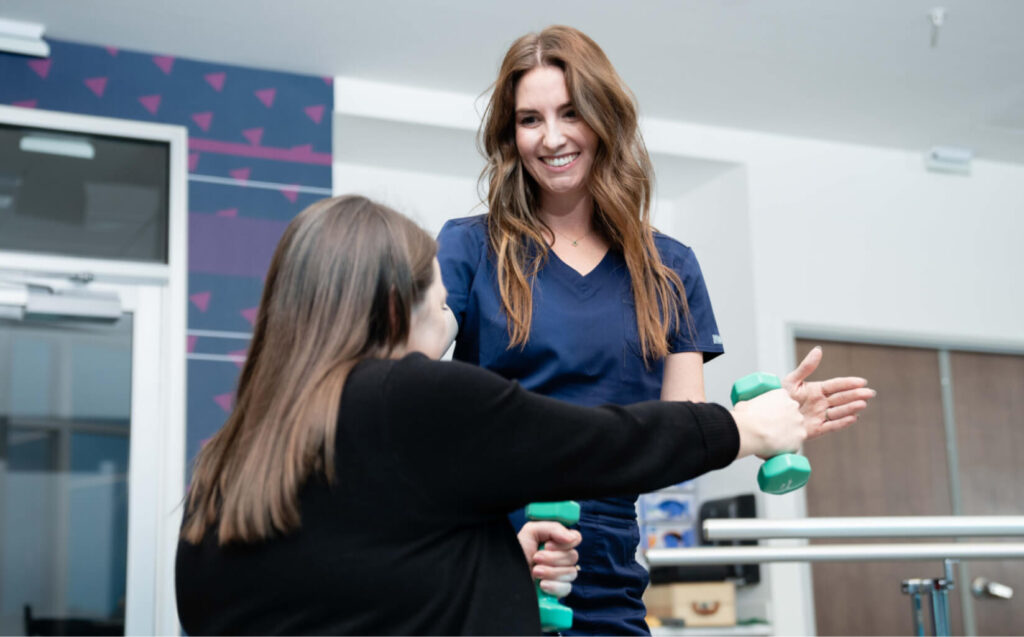
Care customized to your journey
Every patient has a unique story and a unique journey toward healing — and our system of care reflects that. Brooks Rehabilitation offers everything from 24/7 rehabilitative care in a post-acute hospital setting to outpatient therapy, home health care and pediatric rehabilitation. We’ll be by your side when and where you need it.
The experts in your specific condition
At Brooks Rehabilitation, we specialize in providing rehabilitative care for complicated conditions and medical challenges. You can trust that we’ve been here before, and will be with you every step of the way — providing the most advanced treatment programs available.


Innovative treatment programs
Using the most innovative technology in the rehabilitation space, Brooks has the top treatment programs available for conditions like stroke and spinal cord injury. Our wraparound services provide not only acute rehabilitative care but community programs that support you on your ongoing journey.
World-class care, hometown heart

World-class care, hometown heart
Brooks Rehabilitation is so much more than a focus on physical recovery. Our integrative systems of care support not only our patients but their loved ones and caregivers. Patients and carers often return to Brooks — not as patients, but as volunteers and mentors, guiding others with first-hand knowledge.

Get started at Brooks Rehabilitation
Latest News and Health Resources from Brooks
Education and guidance to support your recovery

Brooks Rehabilitation Achieves Magnet With Distinction® Recognition for Nursing Excellence
Brooks Rehabilitation has earned a third consecutive Magnet redesignation and additionally achieved Magnet with Distinction®, the highest and most elite tier of hospital recognition...